Understanding Rehabilitation Programs: Your Road to Faster, Safer Recovery
- Nathalie Agius
- Apr 30, 2025
- 3 min read

Updated: Jan 26
Recovering from an injury, surgery, or chronic musculoskeletal condition isn’t just about letting your body rest — it’s about actively restoring strength, mobility, and function. A well-designed rehabilitation program helps you regain confidence, prevent future injuries, and return to the activities you love.
What Is a Rehabilitation Program?
A rehabilitation program is a structured, personalized plan that guides your body through recovery. It integrates:
Targeted exercises to rebuild strength and joint stability
Hands-on manual therapy for tissue healing and improved movement
Education and coaching to prevent recurrence
Movement strategies for daily activities or athletic performance
Unlike generic exercise routines, rehab programs are dynamic and goal-specific, adjusting as your recovery progresses.
Example: Someone recovering from ACL surgery may start with gentle range-of-motion exercises and progress to plyometrics and sport-specific drills over weeks.
Example: A desk worker with chronic lower back pain may focus on core strengthening, posture retraining, and ergonomic education to reduce discomfort and prevent future flare-ups.
Key Components of a Rehab Program
Each program is tailored to your needs and goals — whether that’s returning to sport, reducing pain at work, or simply moving more freely in your daily life. Your program will evolve over time, as your body gets stronger and more capable. As your physiotherapist, I’ll begin by assessing your current condition, movement patterns, and goals. From there, I’ll design a comprehensive rehabilitation program that may include:
Strengthening Exercises – To rebuild muscles and support joints.
Mobility & Flexibility Work – To restore full range of motion.
Balance & Control Drills – Crucial after ligament or joint injuries.
Sport-Specific Training – For athletes returning to competition safely.
Manual Therapy – Hands-on treatment to reduce pain and improve tissue function.
Education & Technique Coaching – Helps prevent re-injury and empowers patients to manage their health independently.
Example: A tennis player recovering from a rotator cuff strain might combine scapular stabilization exercises, shoulder mobility drills, and manual therapy to ensure safe return to serving.


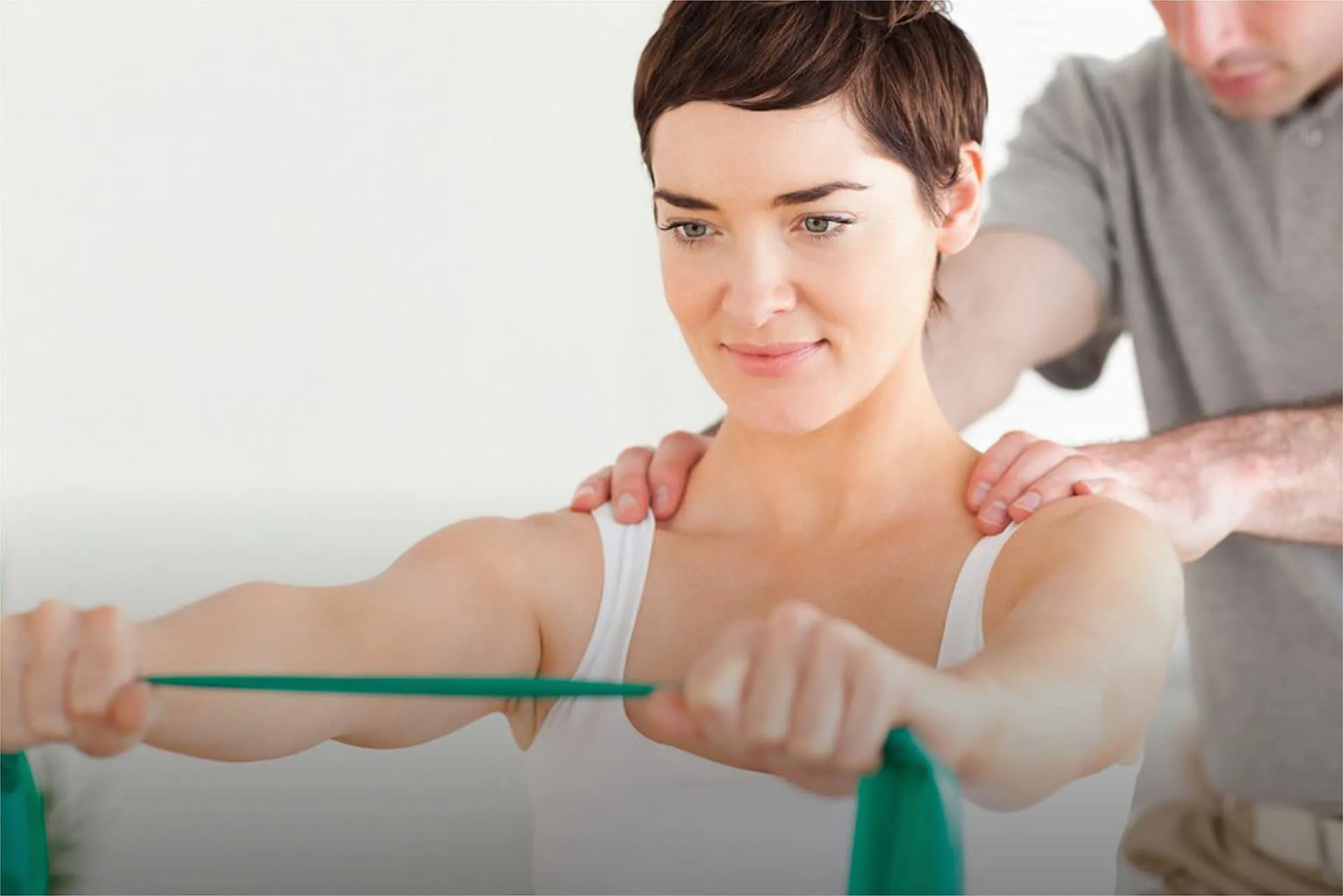


How Rehabilitation Programs Help
Rehabilitation doesn’t just mask symptoms — it targets the root cause of dysfunction. Key benefits include:
Accelerated and safe recovery after injury or surgery
Improved muscle balance and posture
Long-term joint and muscle health
Return to sport, work, or daily activities safely
Studies show that early, structured rehabilitation programs can reduce recovery time by up to 40% compared to unstructured recovery, especially for musculoskeletal injuries (1).
Who Should Consider a Rehabilitation Program?
Rehab programs are beneficial for:
Sports injuries (sprains, muscle tears, tendinopathies)
Chronic joint or muscle pain (shoulder, knee, back, neck)
Overuse or repetitive strain injuries
Post-surgical recovery
Example: A post-operative knee replacement patient might work on gradual weight-bearing exercises, balance drills, and functional movement tasks to safely regain independence in daily life.


Key Takeaways
A well-designed rehabilitation program:
Treats the underlying cause, not just symptoms
Combines exercise, manual therapy, and education
Is personalized and progressive, adapting as recovery progresses
Helps you return to activities safely and confidently
Ready to regain control of your movement and recover safely?
👉 Follow by blog for more expert tips.
👉 Explore physiotherapy services for injury recovery and mobility
👉 Read more about Nathalie Agius, physiotherapist and movement coach
👉 Book a personalized assessment and start your journey today
References
American Physical Therapy Association. (n.d.). Clinical practice guidelines. Retrieved from https://www.apta.org/patient-care/evidence-based-practice-resources/cpgs
Krosch, A., & Milne, C. (2021). Structured rehabilitation improves outcomes after musculoskeletal injuries: A systematic review. Journal of Rehabilitation Medicine, 53(5), 1–12.
Smith, J., & Lee, P. (2019). The role of education and exercise in preventing recurrent injury. Physiotherapy Research International, 24(3), e1762.
Stevens, M. L., Lin, C.-W. C., Hancock, M. J., Wisby-Roth, T., Latimer, J., & Maher, C. G. (2018). A physiotherapist-led exercise and education program for preventing recurrence of low back pain: A randomised controlled pilot trial. Physiotherapy, 104(2), 217–223. https://doi.org/10.1016/j.physio.2017.08.006


Comments