Why Athletes Need Cupping Therapy: Benefits, Uses, and Recovery Strategies

Updated: Jan 26
Elite athletes train intensely, pushing their bodies to perform at maximum output day after day. This consistent physical stress can lead to muscle tightness, fatigue, reduced range of motion, and slower recovery between sessions. To stay at their best, many athletes incorporate targeted recovery techniques — and cupping therapy has become an increasingly popular option in sports medicine and physiotherapy.
What Is Cupping Therapy?
Cupping therapy is a traditional technique that uses suction cups placed on the skin to create a vacuum effect. This negative pressure draws blood toward the surface, increasing circulation and loosening tight muscles. Athletes use cupping to support recovery, reduce tension, and enhance performance alongside their training and physiotherapy routines.
How Cupping Helps Athletes
1. Supports Faster Muscle Recovery
Intense workouts create micro-tears and metabolic waste in muscles, contributing to soreness and fatigue. The suction from cupping promotes local blood flow, helping flush out toxins and deliver oxygen-rich blood to fatigued tissues, which can shorten recovery time between sessions.
Example: A runner using weekly cupping sessions during a training block often reports less delayed-onset muscle soreness (DOMS) and quicker readiness for the next long run.
2. Reduces Muscle Tension and Pain
Muscle tightness can limit mobility and increase injury risk. Cupping lifts the fascia and muscle layers, reducing tension and promoting relaxation, which can complement traditional soft-tissue techniques.
Pro Tip: Use cupping along with stretching to unlock stubborn tight areas.
3. Improves Circulation and Tissue Health
In addition to recovery, improved microcirculation from cupping can help nourish muscles, accelerate tissue healing, and support lymphatic drainage, making it a useful tool in a larger recovery toolkit.
4. Enhances Flexibility and Range of Motion
Athletes with tight muscles or fascia restrictions may have limited mobility, reducing efficiency in movement patterns. By decompressing soft tissues, cupping can help improve flexibility and ease movement when paired with dynamic stretching.
Integrating Cupping Into Athletic Training
Cupping works best when combined with other recovery and performance practices:
After intense workouts to support recovery and reduce soreness.
Before mobility drills to help loosen tight areas.
During de-load weeks to maintain tissue health while reducing training load.
Alongside manual therapy and corrective exercise, as part of a structured physiotherapy plan.
When combined, these approaches build a comprehensive recovery routine that supports performance and reduces injury risk.
Who Can Benefit Most?
Cupping isn’t just for elite professionals — it can be useful for:
Recreational athletes recovering from hard workouts
Competitive athletes seeking faster recovery
Individuals with chronic muscle tightness or restricted range of motion
Those preparing for special events or competitions
Always consult your physiotherapist or sport physician before starting cupping to ensure it’s right for your goals.
Take Your Recovery to the Next Level
If you’re an athlete or active individual who wants to recover faster, ease muscle tension, and support your performance goals, cupping therapy could be a valuable addition to your routine — especially when integrated into a structured physiotherapy plan.
At my clinic, I offer a combination of cupping techniques tailored to your needs:
Cupping Gliding Massage – A dynamic method where cups are moved across the skin to release muscle knots, enhance circulation, and improve tissue mobility.
Traditional Cupping Therapy – Stationary cups are placed on specific areas to create deep myofascial decompression, relieving pain and stiffness.
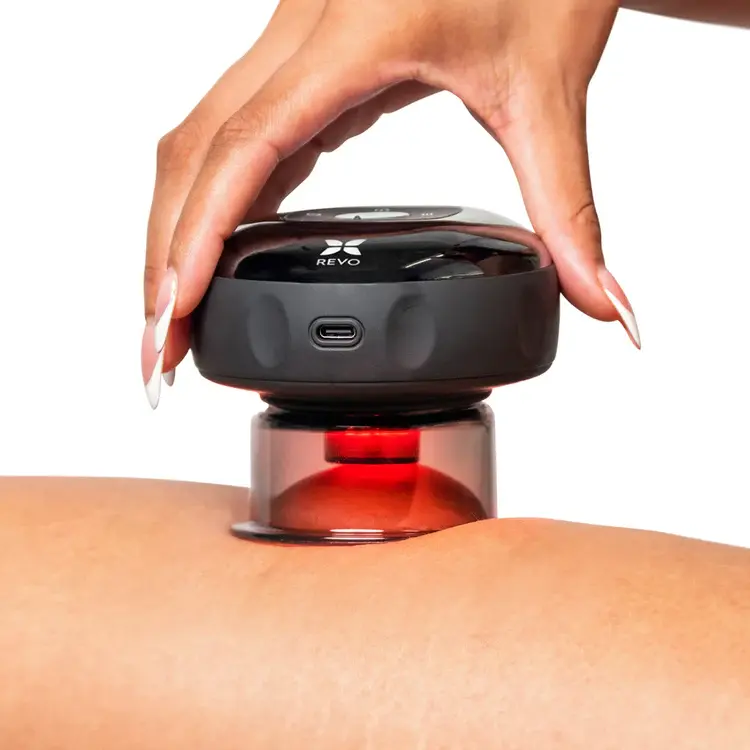
Smart Cupping Therapy – Advanced technology incorporating vibration, heat, and red light therapy for enhanced blood flow, deeper muscle relaxation, and accelerated healing.
Dynamic Cupping Therapy- Muscle stretches are applied during the cupping treatment for a more intense effect
👉 Book a consultation to learn which treatments are best for you.
👉 Visit our main blog page for expert insights on performance, recovery, and rehabilitation techniques.
👉 Learn more about our comprehensive Physiotherapy Services for injury recovery and rehabilitation, or explore our Sports Performance Services designed to enhance strength, mobility, and athletic performance.
👉 Read more about Nathalie Agius - Physiotherapist in Malta
Reference List
Evidence-Based Analysis of Cupping in Musculoskeletal & Sports Rehab — systematic review evaluating cupping’s effects on pain, flexibility, and soft tissue in sports and rehab contexts. Evidence-based and adverse-effects analyses of cupping therapy in musculoskeletal and sports rehabilitation
Effects of Cupping Therapy on Athletes — systematic review of randomized trials measuring cupping’s impact on pain, range of motion, and recovery in amateur and professional athletes. Effects of Cupping Therapy in Amateur and Professional Athletes: Systematic Review
Sports Medicine Perspective on Cupping — overview of how cupping is used with athletes and its claims regarding pain reduction and recovery, while noting the need for more research. Scientific Overview of Cupping Applications in Athletes
Modern Physiotherapy & Cupping Benefits — summary of cupping benefits for muscle recovery, circulation, inflammation reduction, and stress relief in active individuals. Cupping Therapy Benefits for Athletes and Fitness Enthusiasts
Clinical Perspective on Cupping Mechanisms — review discussing possible physiological mechanisms (e.g., pain-gate theory, circulation effects) behind how cupping may work. The Medical Perspective of Cupping Therapy: Effects and Mechanisms of Action
General Health Resource on Cupping — overview of what cupping therapy is, its potential benefits, and considerations from a mainstream health provider. Cupping Therapy: Definition, Types & Benefits (Cleveland Clinic)
Athlete-Focused Cupping Benefits Summary — article outlining reasons athletes use cupping for recovery, flexibility, muscle tension, and overall performance support. Why Athletes Use Cupping Therapy: Benefits, Recovery, and Performance


Comments