The Real Benefits of Cupping Therapy: Evidence, Uses, and Practical Insights
- Nathalie Agius
- May 31, 2024
- 3 min read

Updated: Jan 7
Cupping therapy has experienced a resurgence in popularity in recent years — from elite athletes’ recovery toolkits to alternative wellness clinics. But beyond the trendy circular marks, what does science actually say about the benefits of cupping therapy, and how can it be sensibly integrated into a recovery or performance plan?
In this article, we go beyond general descriptions to explore the mechanisms, research-supported effects, real-world examples, and safe use practices that make this ancient technique relevant today.
What Is Cupping Therapy?
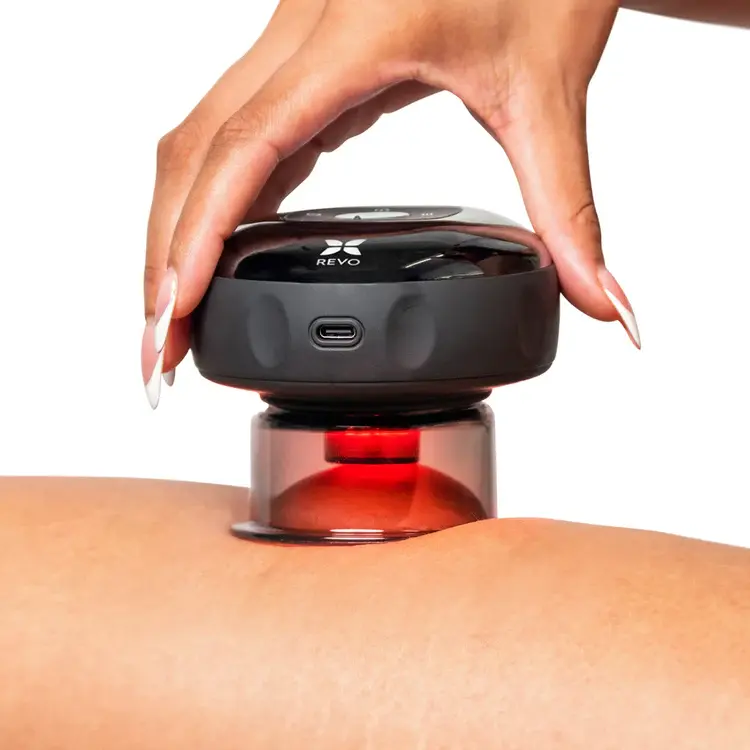
Cupping therapy involves placing suction cups made of glass, silicone, bamboo, or plastic on the skin. The suction pulls tissue upward, often leaving circular marks that fade within a few days. Though rooted in ancient practices — including Traditional Chinese Medicine — it’s now used in various settings such as physiotherapy, sports performance, and pain management. (Healthline)
How Cupping Works: Theoretical Mechanisms
Cupping’s effects are often described through both traditional and physiological mechanisms:
Increased blood circulation: Suction draws blood to the targeted area, which can promote oxygen delivery, tissue healing, and waste removal. (Healthline)
Mechanical release of tension: The pressure may help loosen tight fascia and muscle fibers. (LifeMD)
Lymphatic stimulation: Improving lymph flow may support detoxification and immune system activity. (cuppingtherapy.org)
Nervous system response: The suction and subsequent relaxation may activate the parasympathetic system, helping with stress and tension relief. (Lab Tests Guide)
Evidence-Backed Benefits of Cupping
While research is still emerging, several areas show promising results.
Pain Reduction
One of the most well-studied outcomes is pain relief, especially for musculoskeletal conditions. A systematic review showed that cupping significantly reduced pain intensity in chronic musculoskeletal pain patients shortly after treatment. (PubMed)
Improved Circulation
Cupping draws fresh blood to the treatment area and may improve local blood flow and tissue oxygenation. This can aid recovery after minor injuries or strenuous activity. (Healthline)
Example: Many athletes report feeling reduced tightness and faster recovery in sore muscles after cupping sessions, especially during intense training phases
Muscle Recovery and Flexibility
Studies suggest cupping may help reduce muscle soreness and improve range of motion by loosening fascia and increasing circulation, which supports faster recovery post-exercise. (JN Physiotherapy)
Stress Reduction and Relaxation
Beyond the physical effects, many people experience profound relaxation during and after cupping, similar to the effects of therapeutic massage. This is linked with stimulation of the parasympathetic nervous system — the part responsible for “rest and digest” responses. (Lab Tests Guide)
It’s important to understand that cupping should be used as a complementary therapy, usually combined with acupuncture, and/or exercise therapy, and/or manual therapy, to achieve the best results.
Real-World Applications: Who Uses Cupping?
Athletes: Many professional sports teams and Olympic athletes use cupping therapy as part of recovery routines, reportedly helping with muscle soreness and flexibility.
Chronic pain sufferers: People with neck pain, lower back pain, or myofascial discomfort may find short-term relief through cupping when combined with other therapies.
Stress and wellbeing seekers: Some clients use cupping for relaxation and stress reduction, similar to massage therapy.
Risks, Side Effects, and Safety
Cupping is generally considered low-risk when performed by trained professionals, but potential side effects include:
Bruising and discoloration
Minor burns (in fire cupping)
Skin irritation or itchiness
Who should avoid cupping? Pregnant women, people with certain skin conditions, those on blood thinners, or individuals with cardiovascular disease should consult their doctor before trying cupping. (Cleveland Clinic)
Practical Tips Before You Try Cupping
Choose a qualified practitioner: Look for proper clinical training and hygiene standards.
Communicate your goals: Whether you’re targeting pain relief or recovery, a tailored session works best.
Combine with other therapies: Incorporating cupping alongside acupuncture and exercise therapy, often yields better results
Want to Learn More About Recovery, Movement, and Wellbeing?
Cupping therapy is just one of many tools that can support recovery, performance, and overall wellbeing when used correctly and alongside evidence-based care. If you’re interested in learning more about injury prevention, physiotherapy techniques, movement education, and holistic approaches to health, explore our full collection of articles, for more expert insights, practical tips, and resources to help you move better and feel stronger every day.
References
Cleveland Clinic — Cupping Therapy: Definition, Types & Benefits — https://my.clevelandclinic.org/health/treatments/16554-cupping Cleveland Clinic
LifeMD — Benefits of Cupping Therapy — https://lifemd.com/learn/benefits-of-cupping-therapy LifeMD
JN Physiotherapy — 5 Benefits of Cupping Therapy Backed by Science — https://www.jnphysiotherapy.com/cupping/5-benefits-of-cupping-therapy-backed-by-science JN Physiotherapy
PubMed Systematic Review — Effects of cupping therapy on chronic musculoskeletal pain — https://pubmed.ncbi.nlm.nih.gov/40441767/ PubMed
Health Awareness and Beauty — 15 Science-Backed Benefits of Cupping Therapy — https://www.healthawarenessandbeauty.com/cupping-therapy-health-benefits-15.html healthawarenessandbeauty.com
Jurnal Biomedika dan Kesehatan — Immune and blood flow effects of cupping — https://jbiomedkes.org/index.php/jbk/article/download/478/237 jbiomedkes.org

Comments